
Is Long-Format Print Advertising Making a Comeback?
For nearly a decade, the advertising conversation has been dominated by speed, shorter formats, faster clicks, instant results. Digital took centre stage, and long-format print advertising quietly faded into the background.
Yet, something interesting is happening.
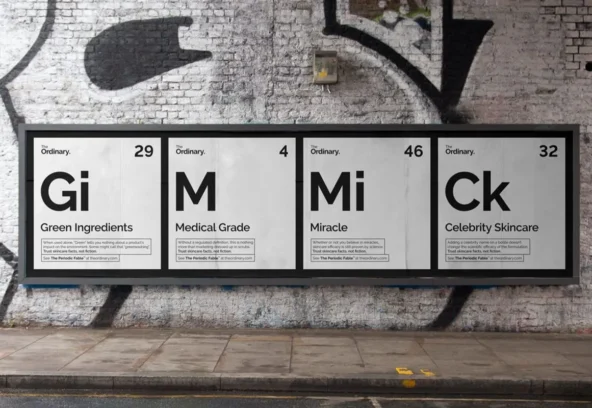
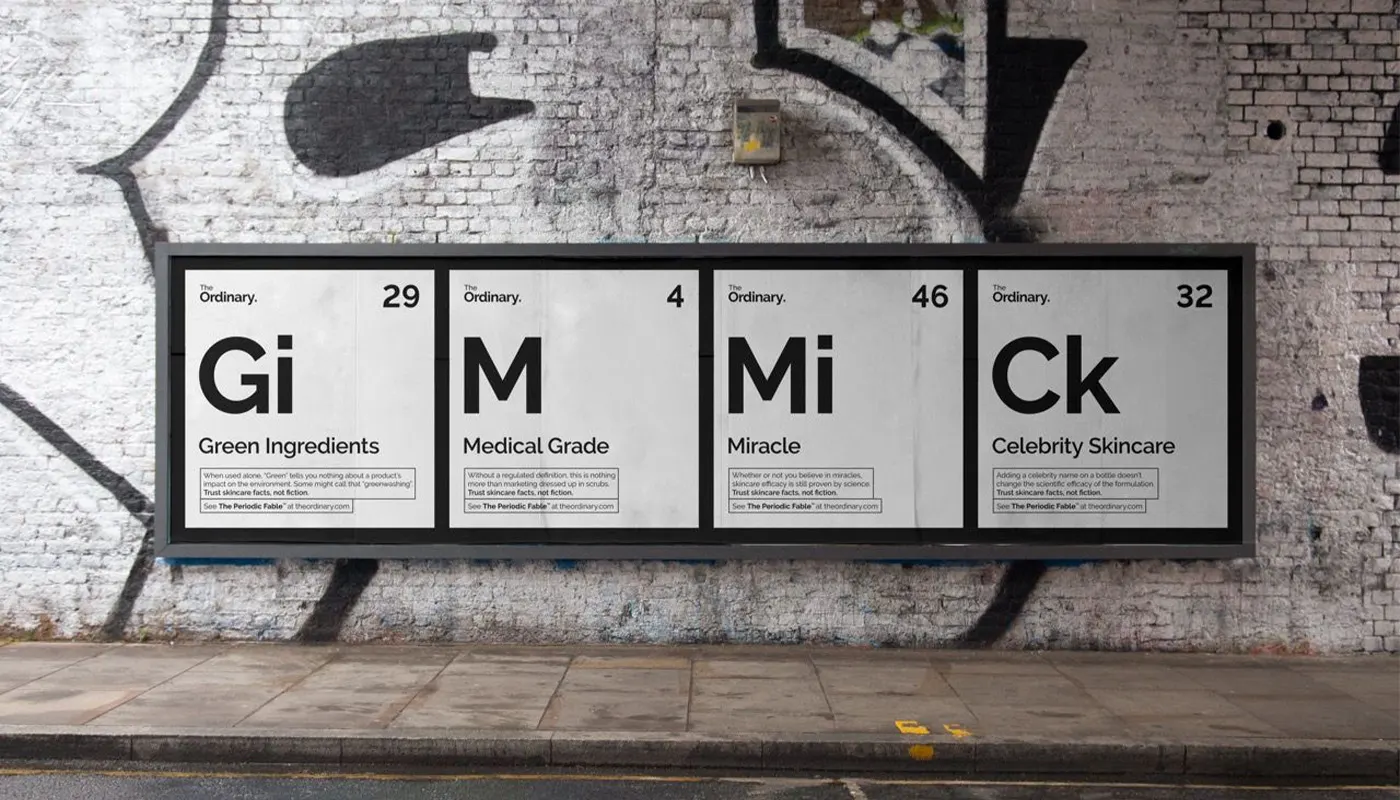
Across industries and geographies, brands are returning to long-format print ads, not out of nostalgia, but intent. As an advertising agency working closely with brands navigating digital saturation, we’re seeing a renewed appetite for storytelling that asks for time, not taps.
So, is long-format print advertising truly making a comeback? Or is this simply a creative detour in a digital-first world?
The Rise, Fall, and Fatigue of Short-Form Advertising
When digital advertising exploded, it rewired how brands communicated.
The shift was logical:
- Faster publishing cycles
- Easier measurement
- Immediate optimisation
- Lower entry costs
As a result, print vs digital advertising became framed as efficiency versus emotion. Long print narratives were replaced by six-second videos, carousel ads, and bite-sized copy optimised for attention, not absorption.
But speed came at a cost.
According to WARC and Nielsen studies, consumers today are exposed to thousands of brand messages daily. Attention spans didn’t shrink, tolerance did. Audiences became adept at filtering noise, scrolling past content without processing it.
Short-form didn’t fail. It just became crowded.
Why Long-Format Print Ads Are Reappearing
The renewed interest in long-format print ads is not about rejecting digital. It’s about restoring balance.
1. Depth in an Age of Distraction
Long-form print offers something rare today: uninterrupted attention. When a reader commits to a full-page or multi-spread ad, they’re choosing to engage, not being interrupted mid-scroll.
McKinsey research highlights that deeper engagement correlates strongly with memory encoding, especially when content is consumed without competing stimuli.
2. Trust Through Tangibility
Print carries perceived credibility. Deloitte’s media studies consistently show that readers associate print with authority and trust, particularly in premium categories like finance, real estate, luxury, education, and automotive.
The tactile experience matters:
- Paper weight
- Layout pacing
- Typography hierarchy
These are sensory cues digital cannot replicate.
3. Space for Brand Storytelling
Long-format print creates room for:
- Brand philosophy
- Cultural context
- Product narratives
- Founders’ vision
This is where brand storytelling in print excels, not by shouting, but by explaining.
Print Advertising Trends Brands Are Watching Closely
While print never disappeared, its role is evolving. The comeback isn’t mass-market, it’s curated and strategic.
Key Print Advertising Trends Driving the Shift
- Editorial-style ad formats that blend seamlessly with publication content
- Limited-run, high-impact print campaigns tied to launches or milestones
- Hybrid campaigns where print anchors a wider digital ecosystem
- Premium placements in niche publications over broad circulation
Global examples include:
- Nike’s long-copy manifesto ads in select markets
- Airbnb’s print-led brand storytelling in travel publications
- Indian luxury and fintech brands using magazine spreads to establish credibility before digital scale
These campaigns aren’t frequent, but when they appear, they land with weight.
Why Print Works Differently from Digital
Understanding print vs digital advertising is less about choosing sides and more about recognising roles.
Digital Advertising | Print Advertising |
Optimised for speed | Designed for immersion |
Performance-driven | Perception-driven |
Constant iteration | Considered execution |
Short attention | Deep engagement |
Print doesn’t compete with digital. It complements it.
At Brewhaus, we’ve observed that print-led storytelling often improves digital performance, especially when campaigns are sequenced correctly, print first, digital amplification second.
The Role of Creative Advertising Agencies in This Revival
Not every brand should rush back to long-format print. Done poorly, it feels indulgent. Done well, it feels deliberate.
This is where creative advertising agencies play a crucial role.
Long-format print demands:
- Clear narrative structure
- Strong editorial thinking
- Discipline in copy length
- Visual restraint
- Strategic placement
It’s not about filling space. It’s about justifying it.
As an advertising agency in Kochi with national-level exposure, Brewhaus approaches print as a strategic medium, not a legacy one. We treat every long-format ad as a brand asset, not a media unit.
High-Impact Print Campaigns: What Separates the Effective from the Forgettable
Successful high-impact print campaigns share a few non-negotiables:
- A single, sharp idea sustained across the layout
- Copy that earns attention, not demands it
- Visual pacing that guides the reader
- A clear reason to exist in print, not digital
When these elements align, print stops being “old-school” and starts being intentional.
So, Is Long-Format Print Advertising Really Back?
Yes, but selectively.
Long-format print advertising isn’t returning as a default medium. It’s returning as a strategic choice for brands that value:
- Longevity over virality
- Meaning over metrics
- Story over spectacle
In a world addicted to scrolling, print offers pause. And pause, today, is powerful.
What This Means for Brands Going Forward
The smartest brands won’t ask, “Print or digital?”
They’ll ask, “Where does each medium do its best work?”
For many, long-format print will:
- Anchor brand positioning
- Signal seriousness
- Deepen trust
- Enhance digital performance indirectly
And for agencies willing to treat print with the respect it deserves, the opportunity is real.
As attention becomes the most expensive currency in advertising, the formats that ask for time and reward it will stand out. Long-format print isn’t a comeback story. It’s a recalibration.
Get in touch with us. Let’s talk about building stories that last longer than a scroll.